Choosing where to start
Everyone says automate something. Nobody says which thing first.
You already know where the business is leaking time. You could list the problems from memory while driving. Quoting takes too long. Invoices go out late. Somebody has to retype the same information into a second system. The list is not the mystery.
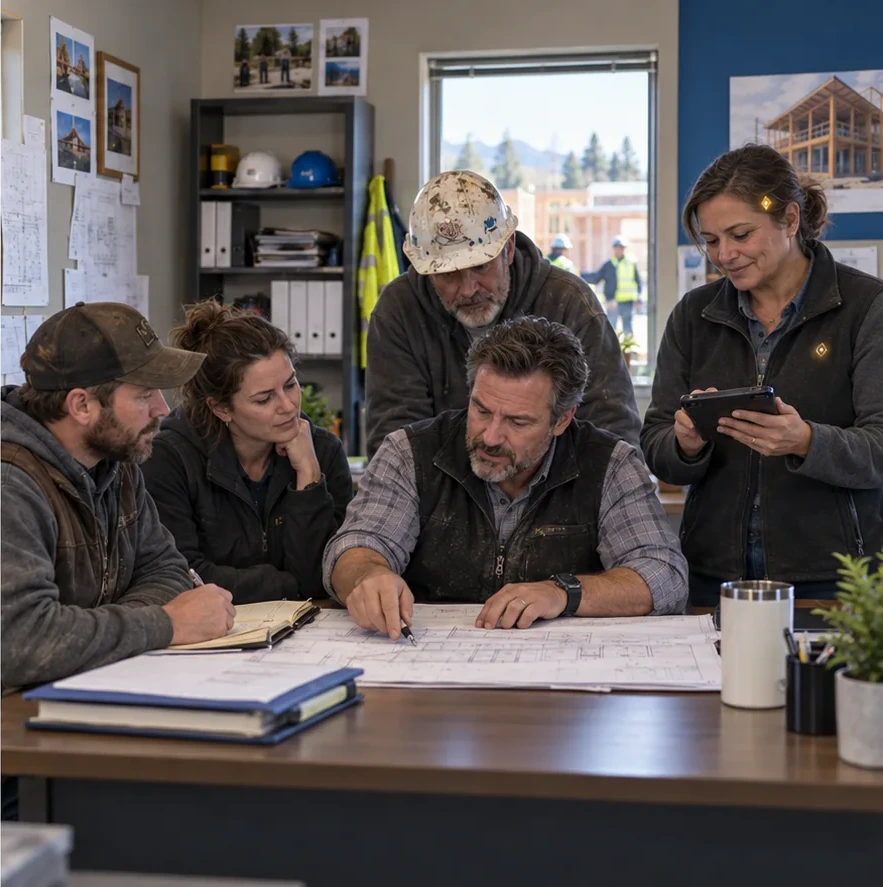 With ByTomorrow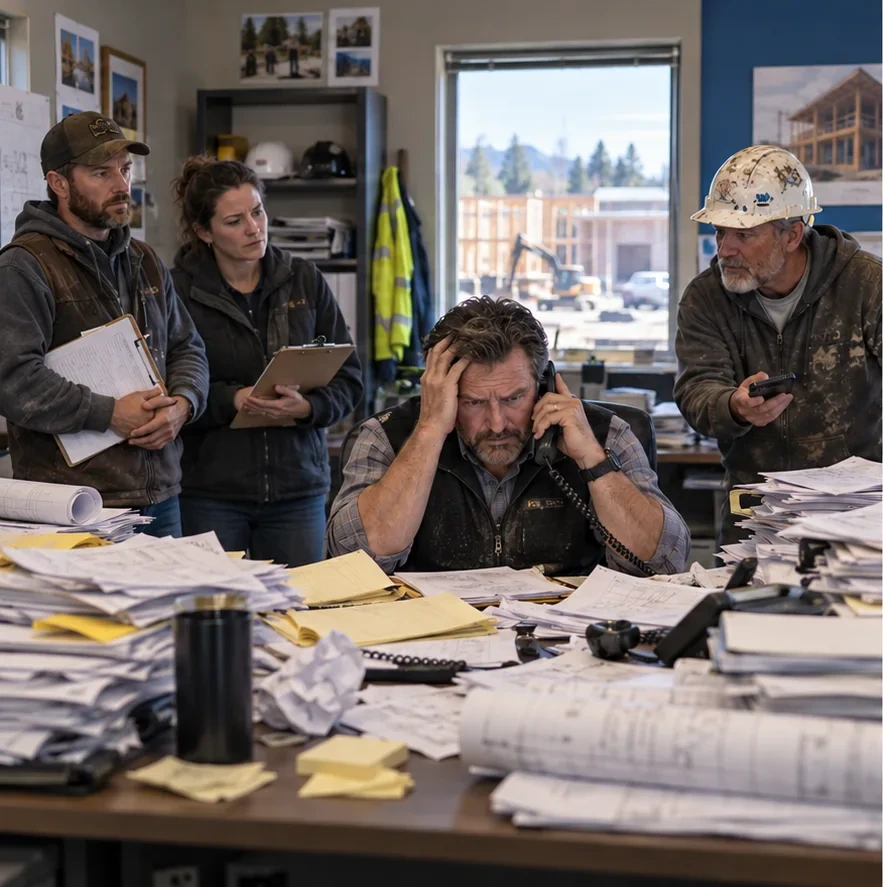
Why the obvious pick backfires
The most painful process is usually the worst first project
The worst pain is usually the most tangled
A process hurts because it touches everything. Your biggest headache probably crosses several people, a couple of systems, and a pile of exceptions you handle by instinct. That is a hard first build. You end up mapping the whole business before anything works, and the project stalls in the mapping.
Painful work is often judgment work
The parts of the job that grind on you are frequently the parts that need your read on a situation. Pricing a tricky job. Deciding which customer gets squeezed in. Automation can hand you the inputs faster, but it cannot hold your judgment. Aim it there first and it feels like it failed, when really it was pointed at the wrong target.
You cannot describe it clearly yet
If a process is painful because it has no shape, there is nothing stable to automate. Steps change depending on the customer, the crew, the week. Writing rules for a thing that has no rules yet means inventing the rules under deadline, which is a second project hiding inside the first.
Big pain means big consequences if it wobbles
Your most painful process is usually load-bearing. Money moves through it, or customers see it. A first automation project should be allowed to be a little wrong for a while so you can watch it and adjust. Put your first attempt somewhere a rough edge does not cost you a customer.
A better filter
Pick the most boring repeatable thing you can describe in one breath
It happens the same way every time
Look for work with almost no branching. Same trigger, same steps, same output. Sorting incoming messages. Pulling details off a form into the place they need to live. Sending the follow-up that always goes out. Boring is the feature here, because boring means the rules already exist and you just have to write them down.
If it goes sideways, nothing breaks
Choose something you could switch off and go back to doing by hand without a phone call to anyone. Internal tasks are good. Drafts you still approve are good. Anything where you review the output before it leaves the building is good. That safety lets you actually learn how this stuff behaves in your business.
You will notice within a week of normal work
The first project should pay you back in a way you can feel, not one you have to calculate. A task you used to do every morning that you now skim and approve. A pile that stops building up. Momentum matters more than size, because momentum is what carries you to the harder project later.
You can decide it alone
Keep the first one inside your own control. No committee, no vendor waiting on a call back, no need to retrain a crew mid-season. When the first project depends on other people's calendars, it becomes a project about scheduling instead of a project about the work.
A walkthrough
How to run the pick without a big planning exercise
- 01
Write down what you touched twice
For a normal stretch of work, note anything you did more than once in roughly the same way. Do not organize it. A running list on your phone is fine. You are looking for repetition, not importance.
- 02
Cross off anything needing your judgment
Go through the list and strike whatever requires you to weigh a situation. Pricing calls. Which job goes first. Whether a customer gets a break. Keep the moving, copying, sorting, drafting, and reminding.
- 03
Keep only what you can explain in one breath
Say each remaining item out loud as a rule. When this happens, do that, then send it here. If you need a whole paragraph with several ifs in it, set that one aside for later. It is not gone, it is just not first.
- 04
Choose the one that fails quietly
From what is left, pick the item where a bad output costs you a minute of cleanup instead of a customer's trust. Internal work beats customer-facing work for a first attempt.
- 05
Keep yourself in the approval seat
Set it up so you see the output before it does anything final. You are not slowing it down, you are watching it long enough to trust it. The approval step comes out once you stop finding problems.
- 06
Then look at the painful one again
After the first project has been running a while, go back to the headache at the top of your list. It usually looks different. You will have a better sense of what these tools do well, and the tangled process often turns out to be several small ones you can now name.
Questions
Straight answers.
What should a small business automate first?
Start with a repetitive task you can describe in a single sentence and switch off without telling anyone. Moving information between places, sorting what comes in, drafting the message you always send. These are dull, and dull is exactly what you want first, because the rules are already clear and you can check the results at a glance.
Why shouldn't I automate my biggest problem first?
Because the biggest problem is usually the most tangled one. It crosses systems and people, it has exceptions you handle by feel, and it often needs your judgment somewhere in the middle. Those things make for a slow, frustrating first build. The pain is real, but it is better addressed once you know how the tools behave in your business.
How do I know if a process is ready to automate?
Say it out loud as a rule and see if it holds. When this happens, do this, then send it there. If that sentence covers most cases, the process is ready. If you keep adding exceptions, the process is still being invented in your head, and writing it down is the real first step.
Does automating a small task actually matter?
Yes, mostly because of what it teaches you. A small first project shows you where your information actually lives, which of your steps were never written down, and how much review you need before you trust an output. That knowledge is what makes the second and third projects go faster.
Should I automate customer-facing work first?
Usually no. Anything a customer sees should wait until you have watched the output for a while. Keep the first project internal, or keep yourself as the approver so nothing leaves the building without your eyes on it. Once you stop finding problems, you can loosen that.
What if the small task doesn't feel worth the effort?
Then pick a different small task, not a bigger one. The right first project is something you notice going away during a normal week of work. If nothing on your list feels like that, the list is probably too short, and another pass through your ordinary day will turn up more repetition than you expect.
If you would rather talk it through than stare at the list
Sometimes the hard part is not the picking, it is being too close to the work to see which parts repeat. A conversation about how your day actually runs tends to surface the candidates quickly. Bring the mess as it is. No prep needed.
Related guides
Keep reading.
How to write a phone intake script for a home-services business
A fill-in phone intake script for contractors and home-service businesses: what to ask first, what to read back and how to end the call.
How to book across time zones without confusing customers
Confirm the date, time and named zone for each participant and test seasonal changes instead of assuming a fixed time difference.
How to compare voicemail with structured callback intake
Compare voicemail and structured callback intake by what staff can retrieve, verify and act on, using the same sample requests.